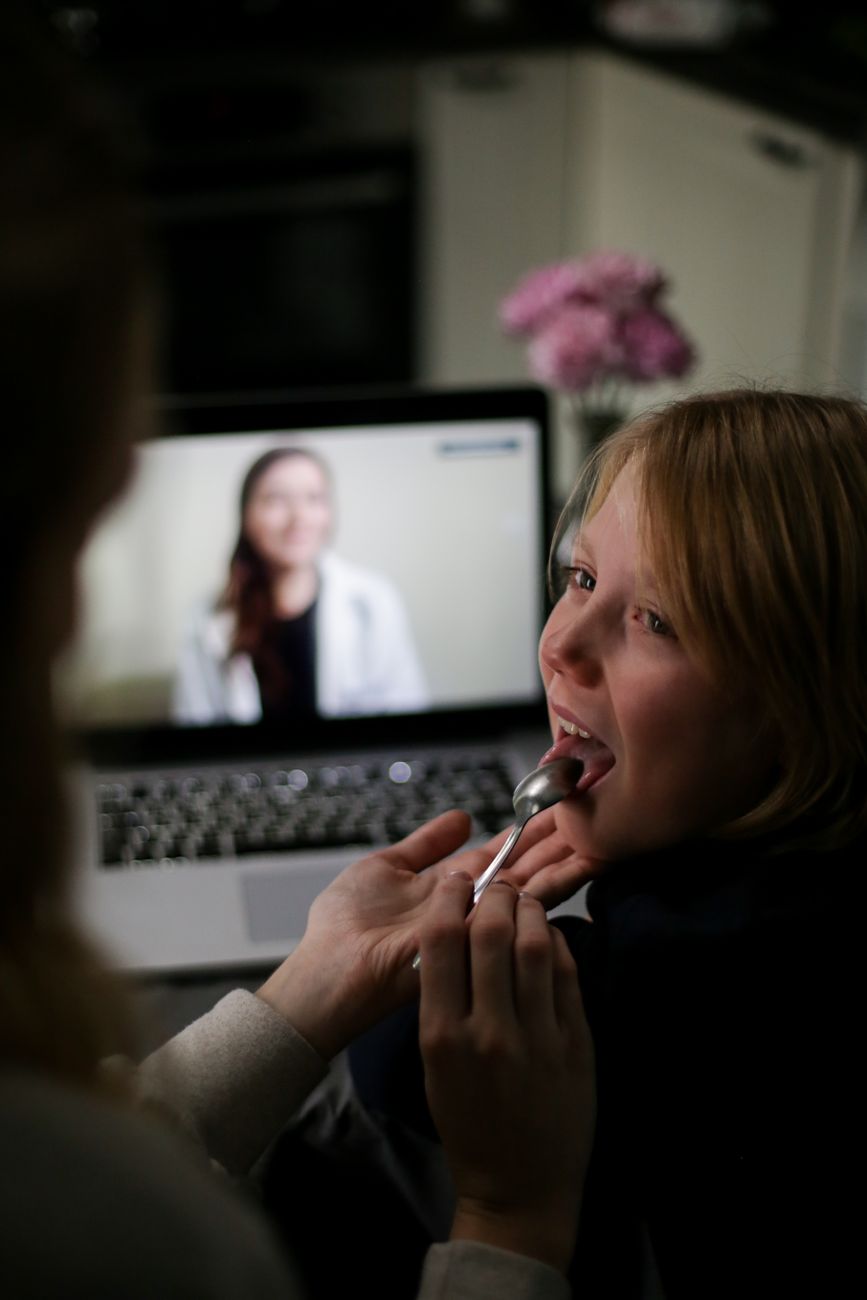
Telemedicine is a modern and effective solution for providing pediatric pulmonology care, enabling the assessment, guidance and monitoring of children without a physical visit to the clinic. It is particularly useful for parents seeking immediate medical advice with safety and convenience, and especially for children living in remote areas.
What is telemedicine:
Telemedicine is the provision of medical services through digital means (video call or telephone communication).
In pediatric pulmonology, it allows:
- symptom assessment
- guidance on managing respiratory problems
- monitoring of chronic diseases
- interpretation of test results and medical data
When is it useful?
Telemedicine is indicated in cases such as:
- mild respiratory symptoms (e.g. cough, nasal congestion)
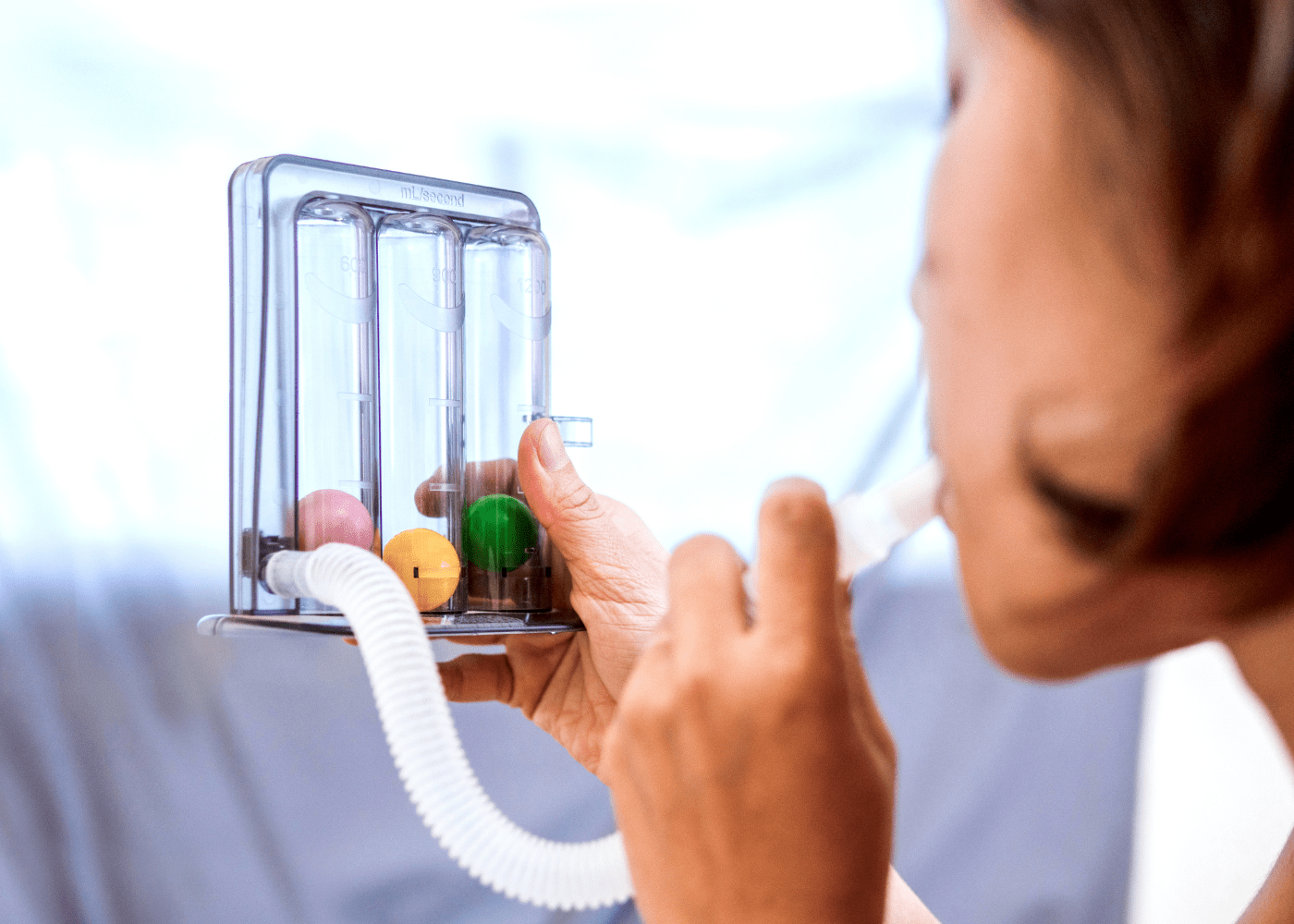
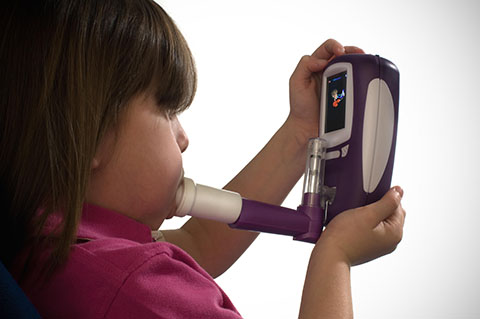
- asthma monitoring or other chronic disease follow-up (e.g. using specialized apps)
- re-evaluation after treatment
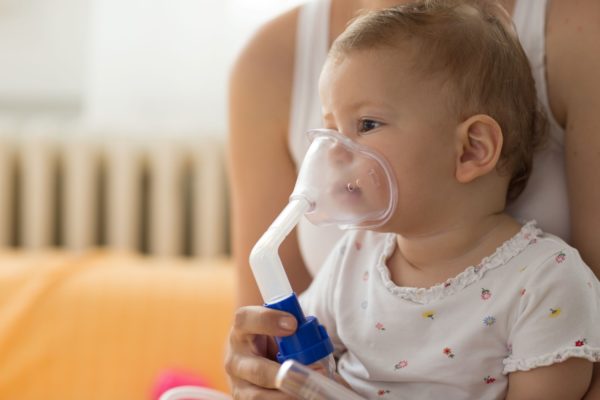
- guidance on inhaler use
- parental questions about symptoms or test results
- sleep disorders
- children in remote areas.
How is a telemedicine visit conducted:
The process is simple and friendly for both parent and child:
- an appointment is scheduled at a specific time
- it is conducted via a secure platform (video call or telephone)
- the physician takes a medical history and assesses the symptoms
- clear instructions and therapeutic guidance are provided
- if safe advice cannot be provided remotely, an in-person visit is recommended.
In some cases, the physician may request that test results or videos (e.g. of the child's breathing) be sent in advance.
What are the advantages:
Telemedicine offers:
- immediate access to a specialized pediatric pulmonologist
- time savings and reduced travel
- reduced exposure to infections
- continuous monitoring of chronic conditions
- support for families in remote areas or those unable to visit the clinic.
Are there limitations:
Under no circumstances does telemedicine fully replace a clinical examination.
A physical visit is required when:
- there are severe, urgent or emergency symptoms
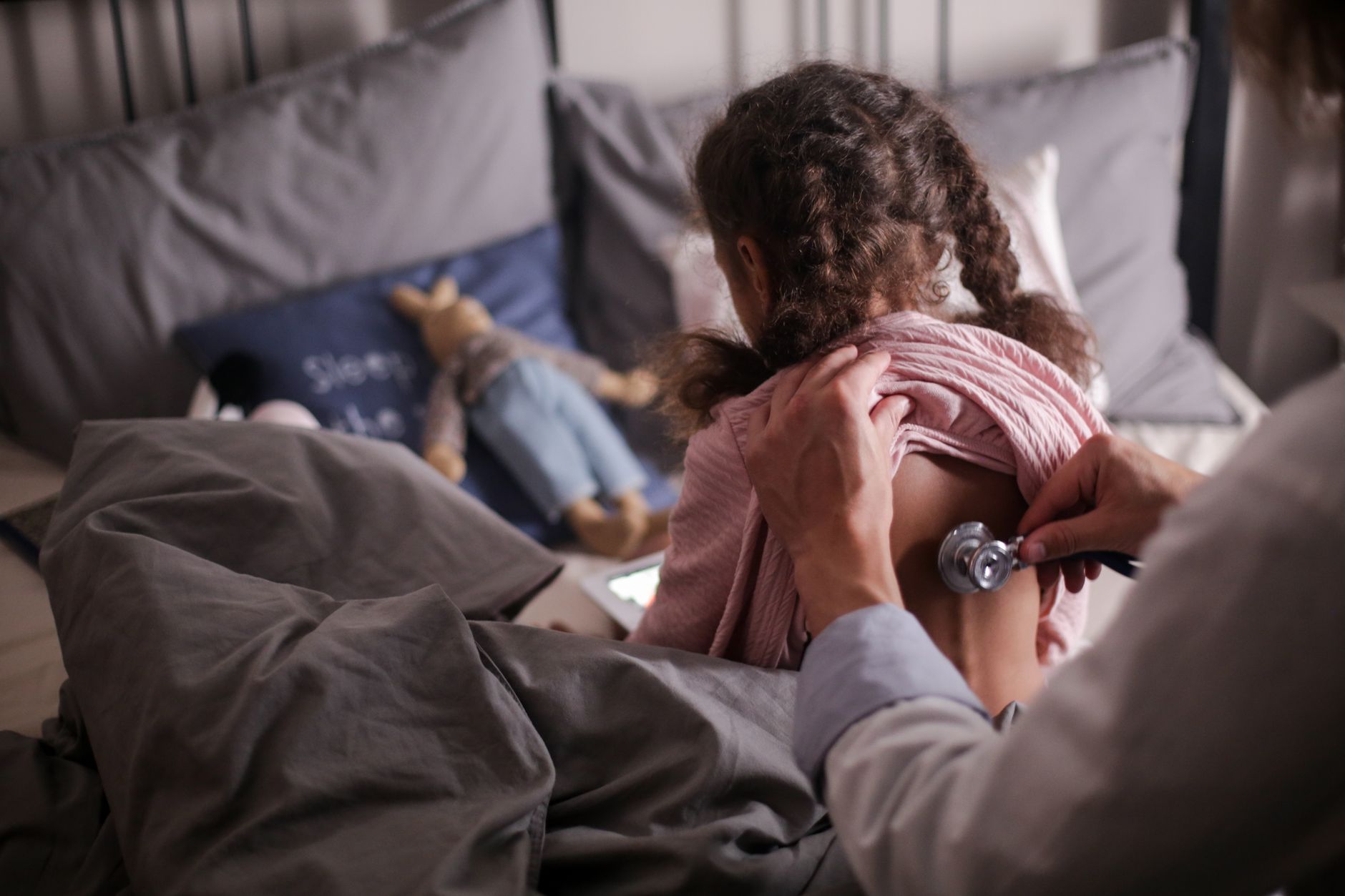
- lung auscultation or diagnostic tests are needed
- the clinical picture is unclear
In these cases, the physician will promptly guide you to visit the clinic or a hospital.
Why is it important:
Telemedicine enhances continuity of care and enables:
- timely intervention
- better treatment compliance
- close physician-family communication
- effective management of chronic respiratory diseases and sleep disorders.