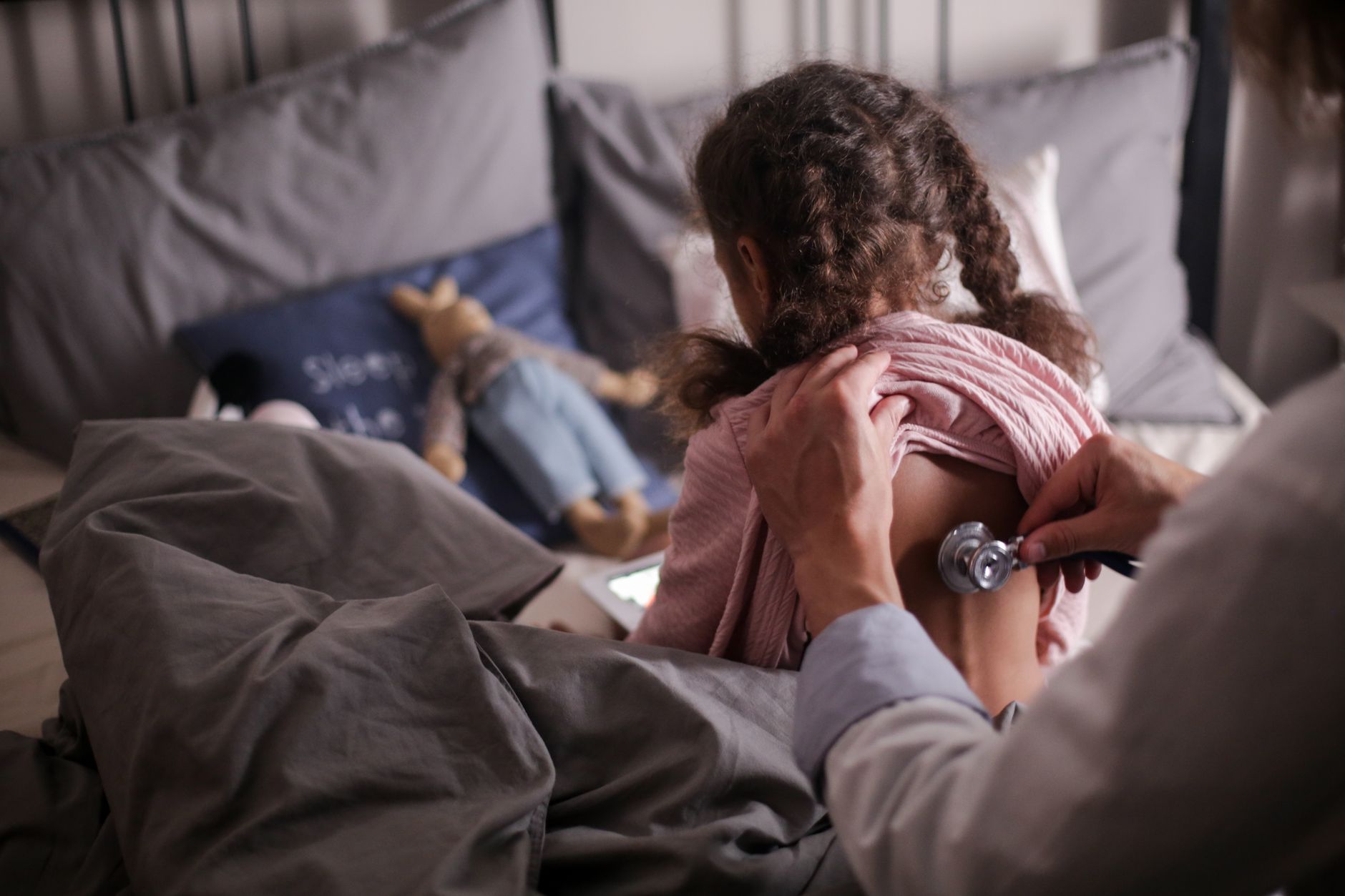
The pediatric pulmonology evaluation at the clinic is the first and most important step in diagnosing and managing respiratory problems in children. Through a combined approach of clinical examination and specialized tests, a comprehensive picture of respiratory function is achieved.
What the pediatric pulmonology evaluation includes:
The assessment is individualized and includes:
1. Detailed medical and family history
The pediatric pulmonologist gathers information regarding:
- symptoms (e.g., cough, dyspnea, wheezing, snoring)
- duration and frequency of episodes
- respiratory infections
- family history (e.g., asthma, allergies)
- exposure to environmental factors (smoke, allergens)
- growth and development
- comorbidities
- hospital admissions.
2. Clinical examination
This includes:
- lung auscultation
- assessment of breathing pattern and respiratory rate
- evaluation for signs of respiratory distress
- assessment of growth and oxygenation
- overall clinical evaluation.
3. Pulmonary function testing (where indicated)
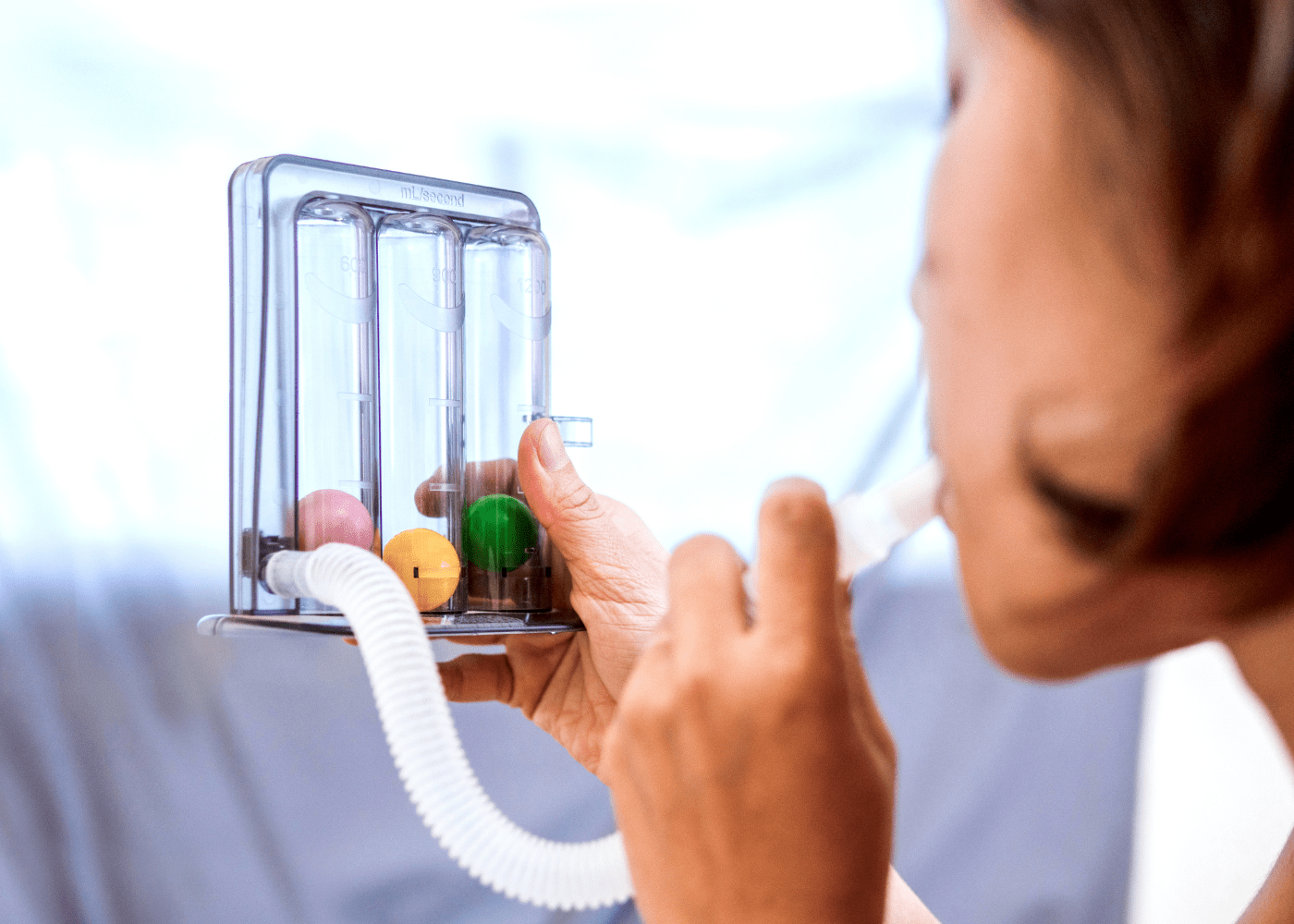
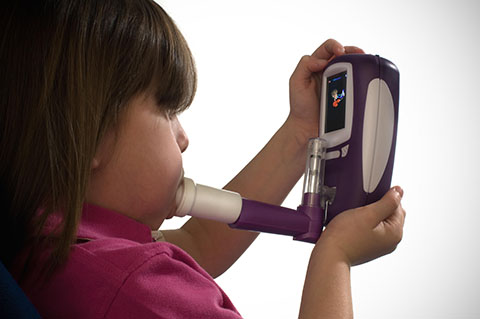
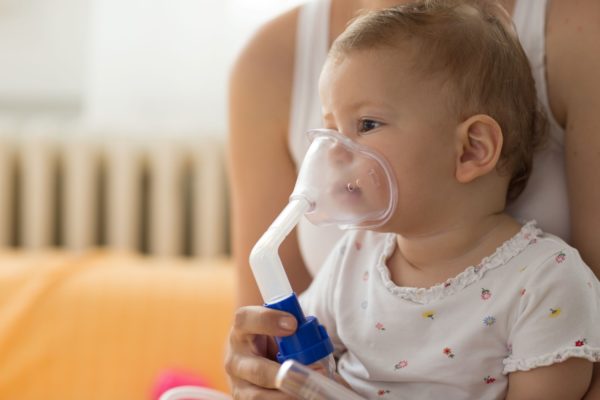
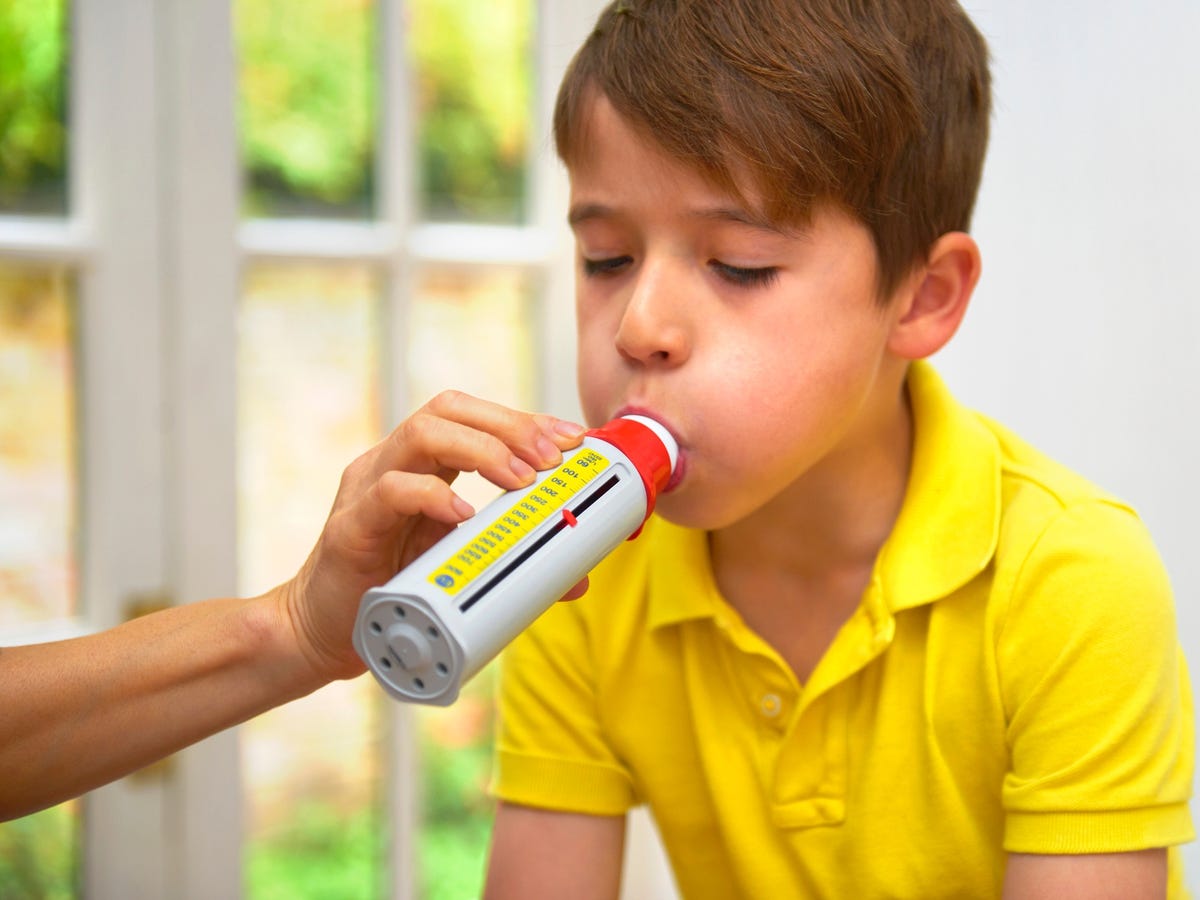
Depending on the child's age and symptoms, the following tests may be performed:
- spirometry (pre and post bronchodilation, post exercise)
- body plethysmography
- pulse oximetry
- six-minute walk test
- body plethysmography
- fractional exhaled nitric oxide measurement (FeNO)
- nasal nitric oxide measurement (nNO)
- peak cough flow measurement.
These tests help provide an objective assessment of pulmonary function.
When should you visit a pediatric pulmonologist:
An evaluation is recommended when the child presents with:
- persistent or recurrent cough
- wheezing or "whistling" during breathing
- shortness of breath or easy fatigability
- frequent respiratory infections
- snoring or sleep disturbances
- delayed recovery from respiratory episodes
- suspected foreign body aspiration
- oxygen requirements due to prematurity and bronchopulmonary dysplasia
- neuromuscular diseases
- pulmonary hypertension
- chronic respiratory diseases.
How the visit is conducted:
The visit takes place in a friendly and safe environment, adapted to the child's needs.
Special emphasis is placed on:
- collaboration with the child and the family
- thorough information provided to parents
- individualized diagnostic and therapeutic approach
The importance of prevention:
Early pediatric pulmonology evaluation contributes to:
- early diagnosis of diseases
- prevention of complications
- proper monitoring of chronic conditions
- improvement of the child's quality of life, sleep, and physical activity.
Why choose a specialized evaluation:
Specialization in pediatric pulmonology ensures:
- targeted and evidence-based diagnosis
- use of modern diagnostic methods
- individualized treatment
- ongoing monitoring tailored to each child's needs.