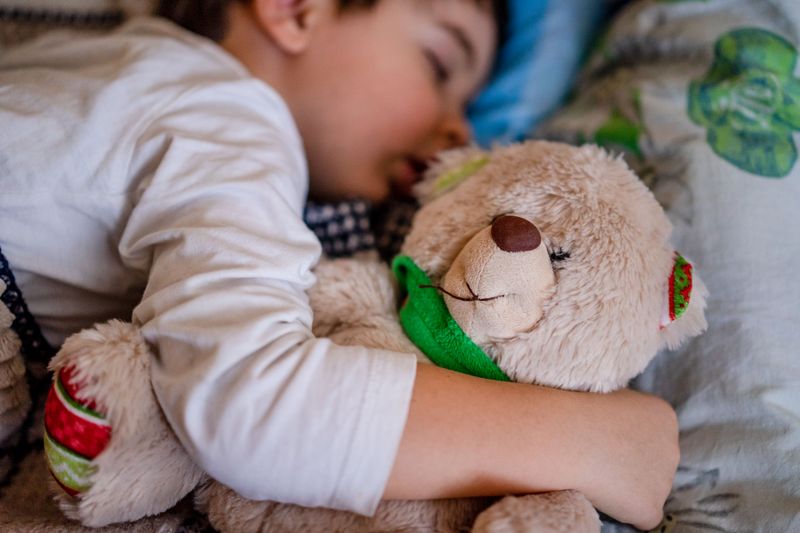
Polysomnography (sleep study) is the most reliable and comprehensive examination for diagnosing sleep disorders in children. It is widely used in pediatric pulmonology to investigate problems such as snoring and obstructive sleep apnea.
What is polysomnography?
It is a specialized examination performed during the child's natural sleep that simultaneously records multiple body parameters.
Specifically, the following are assessed:
- breathing and airflow
- blood oxygen levels (SpO₂)
- cardiac function
- brain activity (EEG)
- eye and muscle movements
- chest and abdominal movements
The examination provides a complete picture of sleep quality and architecture.
When is it needed:
Polysomnography is indicated in children with:
- loud or persistent snoring
- breathing pauses during sleep (sleep apnea)
- restless or disrupted sleep
- daytime sleepiness or fatigue
- difficulty concentrating, learning problems or reduced school performance
- suspected other sleep disorders (e.g. periodic limb movements)
- neuromuscular diseases
- craniofacial syndromes, etc.
From what age can it be performed?
The examination can be performed at all ages, including infants, when there is an appropriate indication and a specialized center.
How is the examination performed?
The study is usually conducted in a specially designed room or sleep laboratory, in a child-friendly environment.
During the night:
- specialized sensors are placed on the child's body
- biological parameters are continuously recorded
- the child sleeps naturally, in the presence of an accompanying parent.
The procedure is painless and non-invasive.
Is it safe:
Polysomnography is entirely safe, with no radiation or invasive techniques. The sensors cause no pain or discomfort and are easily removed in the morning.
Why is it important:
This examination is crucial for:
- diagnosing obstructive sleep apnea
- assessing the severity of sleep disorders
- guiding appropriate treatment
- preventing complications that affect development, behavior and school performance
- identifying neurological, central or mixed sleep disorders.
Early diagnosis can significantly improve the quality of life for both the child and the family.