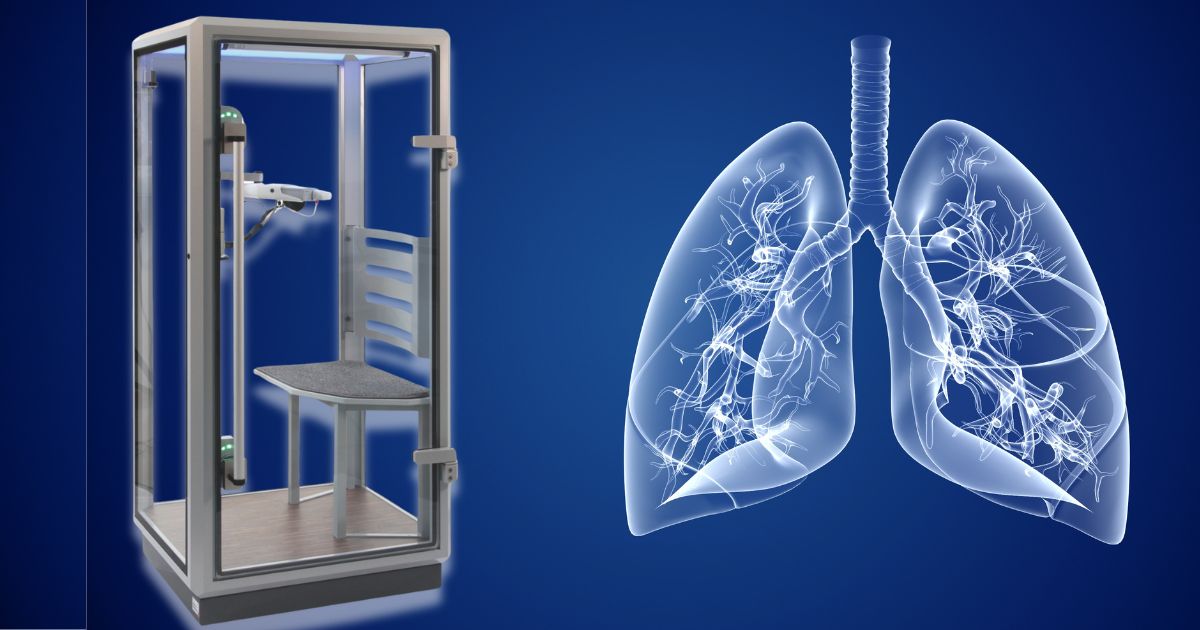
Body plethysmography is a specialized test used for the comprehensive evaluation of lung function in children. It complements spirometry and provides more detailed information, particularly in cases where an accurate diagnosis of respiratory disorders is required.
What is plethysmography?
Body plethysmography is a non-invasive test that measures:
- Total Lung Capacity (TLC)
- Residual Volume (RV)
- Airway Resistance (Raw)
The test is performed inside a specialized, transparent chamber (cabin) that allows accurate recording of respiratory function.
When is it performed:
Body plethysmography is indicated in children with:
- suspected or complex breathing disorders
- asthma that is not adequately controlled
- chronic lung disease (e.g., bronchiectasis, bronchopulmonary dysplasia)
- dyspnea of unknown etiology
- differential diagnosis between obstructive and restrictive lung diseases.
From what age can it be performed:
The test is usually performed in children over 6 years of age, as it requires good cooperation and understanding of instructions.
How the test is performed:
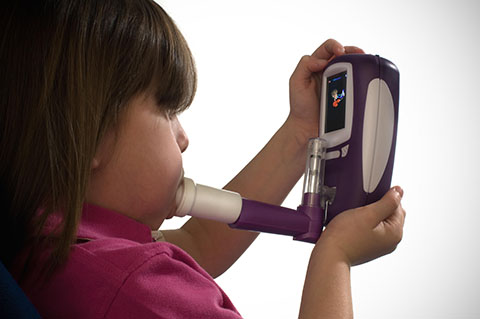
The child sits inside a specialized enclosed chamber (similar to a small cabin) and breathes through a mouthpiece.
During the test:
- specific breathing maneuvers are performed
- pressure and volume changes are recorded
- lung volumes and airway resistance are calculated with precision.
The procedure is brief and is carried out under the continuous guidance of specialized staff.
Is it safe:
Body plethysmography is a completely safe and painless test. It does not involve radiation or invasive techniques.
In some children, it may cause mild discomfort due to the enclosed space; however, the procedure is generally well tolerated.
Why it is important:
Body plethysmography offers:
- accurate measurement of lung volumes that are not captured by spirometry
- better understanding of the pathophysiology of the disease
- a more targeted therapeutic approach
- monitoring of the progression of chronic diseases.
In the hands of a pediatric pulmonologist, it is a valuable tool for the comprehensive evaluation of respiratory function in children.